
The information being provided is strictly as a courtesy. When you link any of these websites provided herewith you are leaving this site. Our company makes no representation as to the completeness or accuracy of information provided at the sites. Nor is the company liable for any direct or indirect technical or system issues or any consequences arising out of your access to or your use of third-party technologies, sites, information and programs made available through the site. When you access one of these sites, you are leaving InFocus Financial Advisors’ website and assume total responsibility and risk for your use of the sites you are linking to.
Submit
4 Easy Steps
Let us put your Retirement Plans “InFocus”
Introduction
Speak to one of our Certified Financial Planners to get some of your first questions out of the way.
Complimentary Consultation
One of our Certified Financial Planners will walk you through a comprehensive 12 item checklist.
Strategy
A “smoother” series of returns can make your investments last much longer and may give you a greater chance of success in retirement.
Convenience
Our investing and support team efforts are successful because we are committed to serving clients with courtesy, promptness, accuracy, warmth, and honesty.
A powerful process that makes sure you are doing the things you should and avoiding the things you shouldn’t.
A Team of Professionals
that Care about You.
We are changing lives by helping clients achieve financial security in retirement with an exceptionally qualified, focused, and results-oriented team of planning, investing, advising, and fiduciary professionals.
Our investing and support team efforts are successful because we are committed to serving clients with courtesy, promptness, accuracy, warmth, and honesty.
Our vision is to continue to be the leading Delmarva area resource in helping people formulate, successfully navigate, and subsequently achieve their financial plans and goals for their retirement futures.
Click Our Photos to Learn More About Our Team!
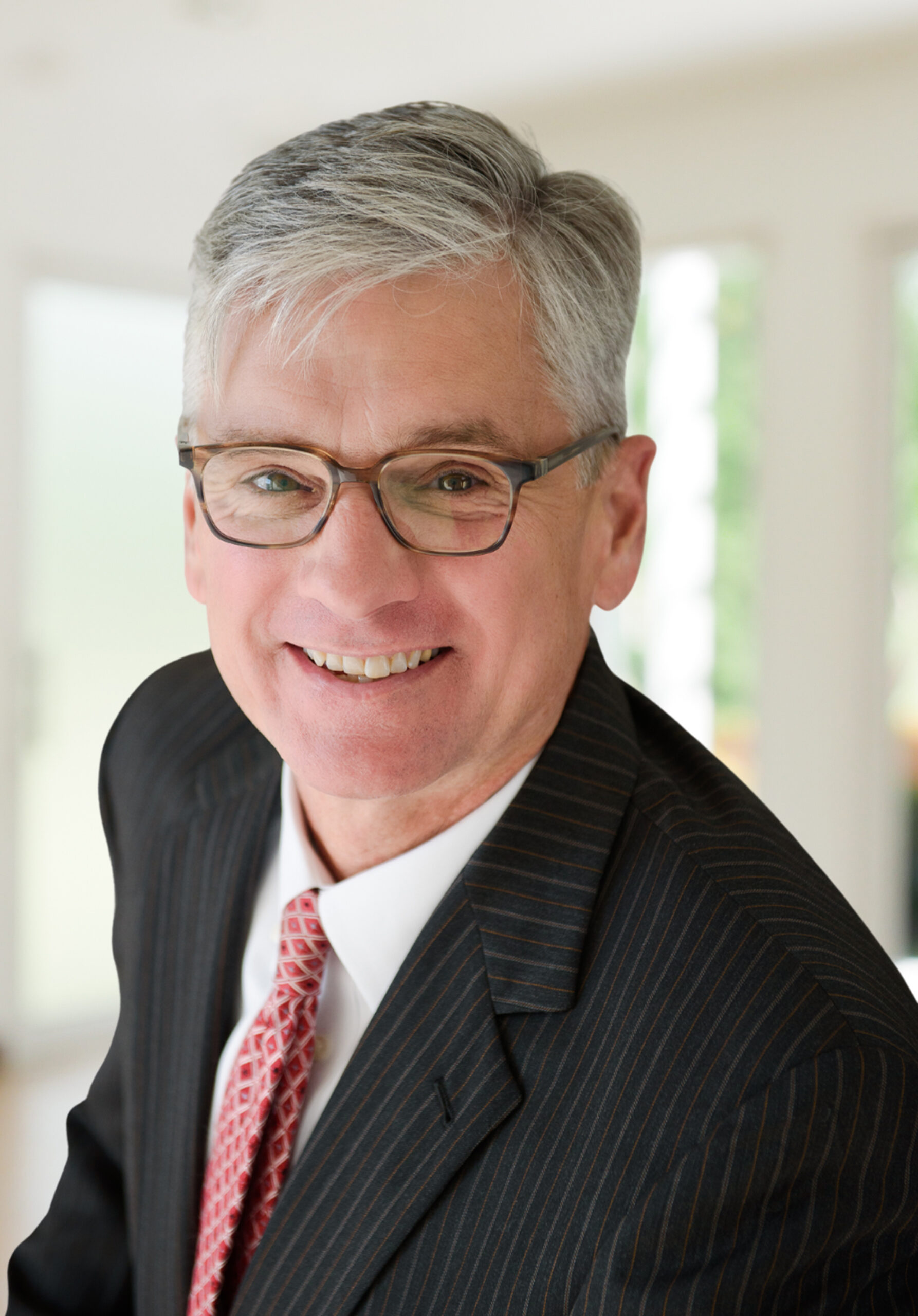
Eric W. Johnston, CFP®, President & Financial Advisor
Meet Eric W. Johnston, CFP
President/Financial Advisor
I founded InFocus Financial Advisors in 2005 to start a narrowly focused business. One that focuses on transitioning people into retirement and making their retirement what they want it to be – the best it can be.
At InFocus Financial Advisors, we act as fiduciaries. Focusing on what people need to do to be successful in retirement. We put your retirement InFocus.
Most of our clients are over 50. They want a strategy to continue to grow their assets with greater attention to risk management as they grow older. They want to pay lower taxes. They want advice on moves that will help them have their best retirement. We do these things.
We’re narrowly focused on these tasks. We’re highly organized and have a process for executing a successful plan for our clients retirement years. Everything we do here is focused on our client’s success. We hire top people on our team to make this happen.
Quick Facts about Eric:- Eric is a Certified Financial Planner®, CFP® and has been an advisor for the past 30 years, since 1993.
- Eric is the Chairman of the New Eastern Shore Leadership Institute which helps professionals develop and improve leadership skills. Easternshoreleaders.org
- Eric is a past President of the Art Institute and Gallery where he oversaw a board of seventeen and four paid staff.
- Eric was an Adjunct Professor and taught Finance 446: Retirement Planning at Salisbury University’s Perdue School of Business.
- Eric is a member of the Executive Board of the Greater Salisbury Committee (GSC). GSC is a group of regional Presidents and CEOs of companies working together to find solutions to challenges in our area. He is a recent alum of the Transformational Community Leadership Cohort run the Greater Salisbury Committee.
- Eric and his wife and four children live in Salisbury MD.
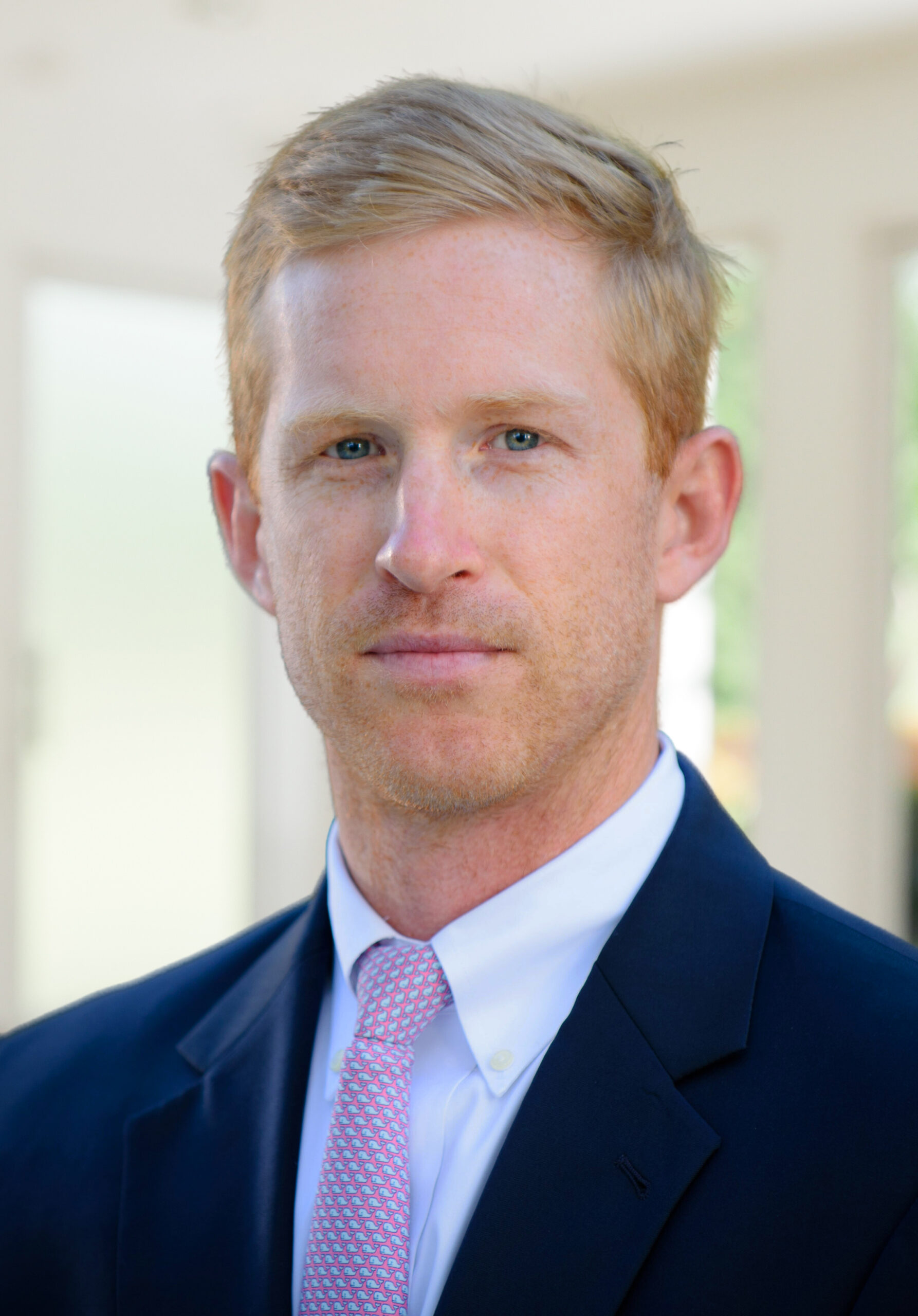
Robert Jeter, CFP®, CRPC®, Vice President & Financial Advisor
Meet Robert S. Jeter II, CFP®, CRP
Vice President/Financial Advisor
I joined Eric in 2016 when my wife and I moved to the Eastern Shore after growing up in Annapolis, MD. After starting in the industry at a large firm that was largely focused on product sales I was disenchanted and wanted a fresh start with an independent and client-first-focused firm. Enter my start at InFocus Financial Advisors.
Our company has a laser focus on being a fiduciaries to our clients and a steward towards making their retirement as good as it can possibly be.
We pride ourselves on being able to assist clients nearing retirement from every possible angle: longevity, investment strategy, tax planning, insurance, healthcare, and how to best navigate the long list of uncertainties that every retiree faces. Most parts of my day include working directly with clients on these issues or helping develop our talented team.
Quick Facts about Robert:- Robert is a Certified Financial Planner™ and has been an advisor to clients since 2012.
- He is the past President of the Southern Delaware Estate Planning Council, a professional group of Attorney’s, CPA’s, and other financial advisors around Sussex County.
- Robert is a member of Salisbury University’s Financial Planning program advisory council and regularly is involved in the development and furthering of the financial planning program.
- Robert is a past board member of the Wicomico County farm and home show.
- Robert and his wife two children and yellow lab live in West Ocean City, MD.
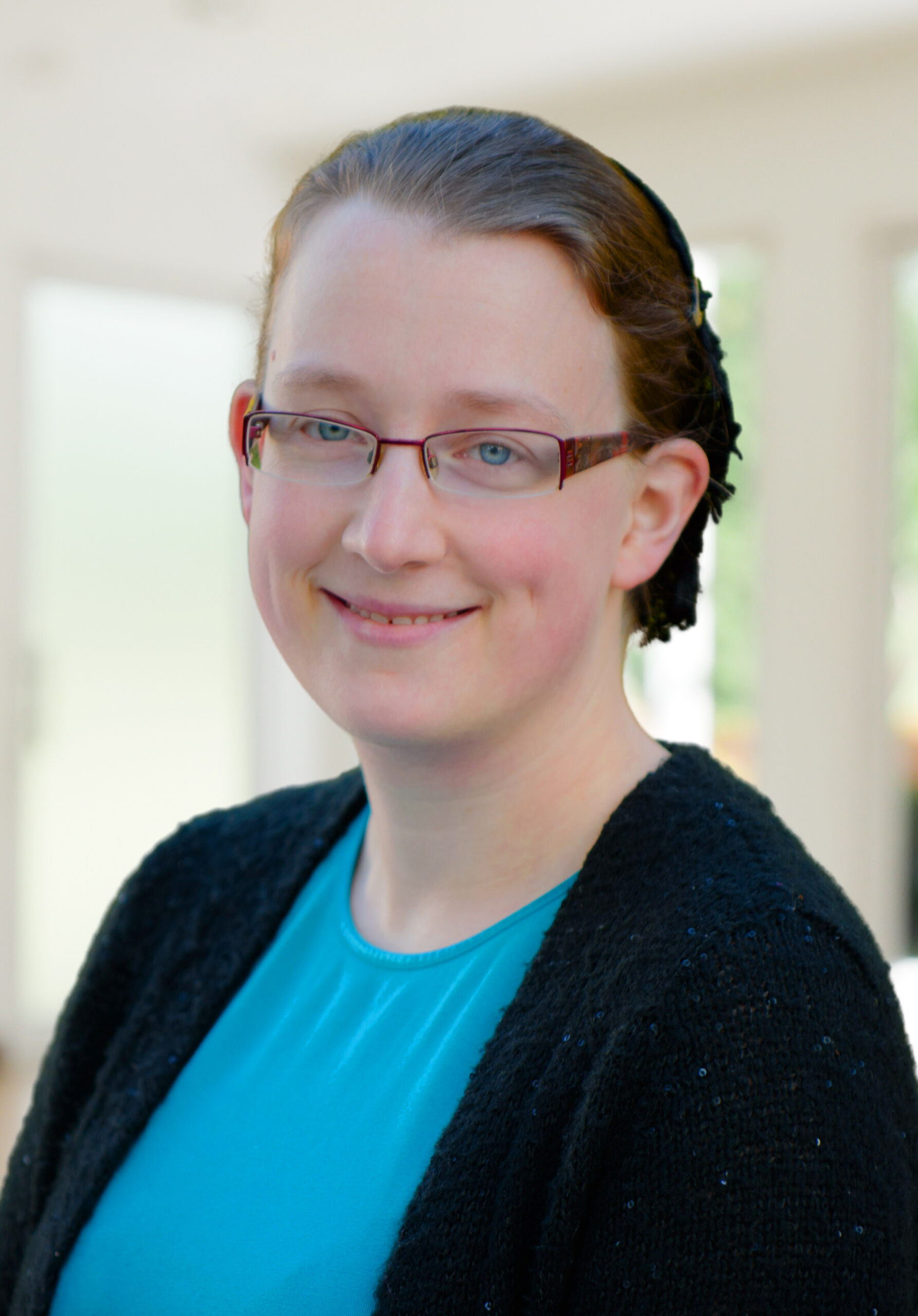
Carol Kurtz, CPA, PFS, Director of Operations
Carol is our Director of Operations. She provides our client account services and investment strategy maintenance. Whenever an operational need arises, Carol is the one to call. For our investment clients, when you need a distribution from your investment portfolio, or an account balance, or a tax form, she provides world-class client services. Carol is a Certified Public Accountant and Personal Financial Specialist. While we do not do taxes, Carol brings a great attitude and enormous abilities to our team. Carol is a graduate of Salisbury University on Maryland’s Eastern Shore.
Carol is active in giving back to the local community.
- Carol is a member of the American Institute of CPAs (AICPA).
- Carol is an active member of her church and serves as the current Treasurer.
- Carol currently resides in Snow Hill, MD.
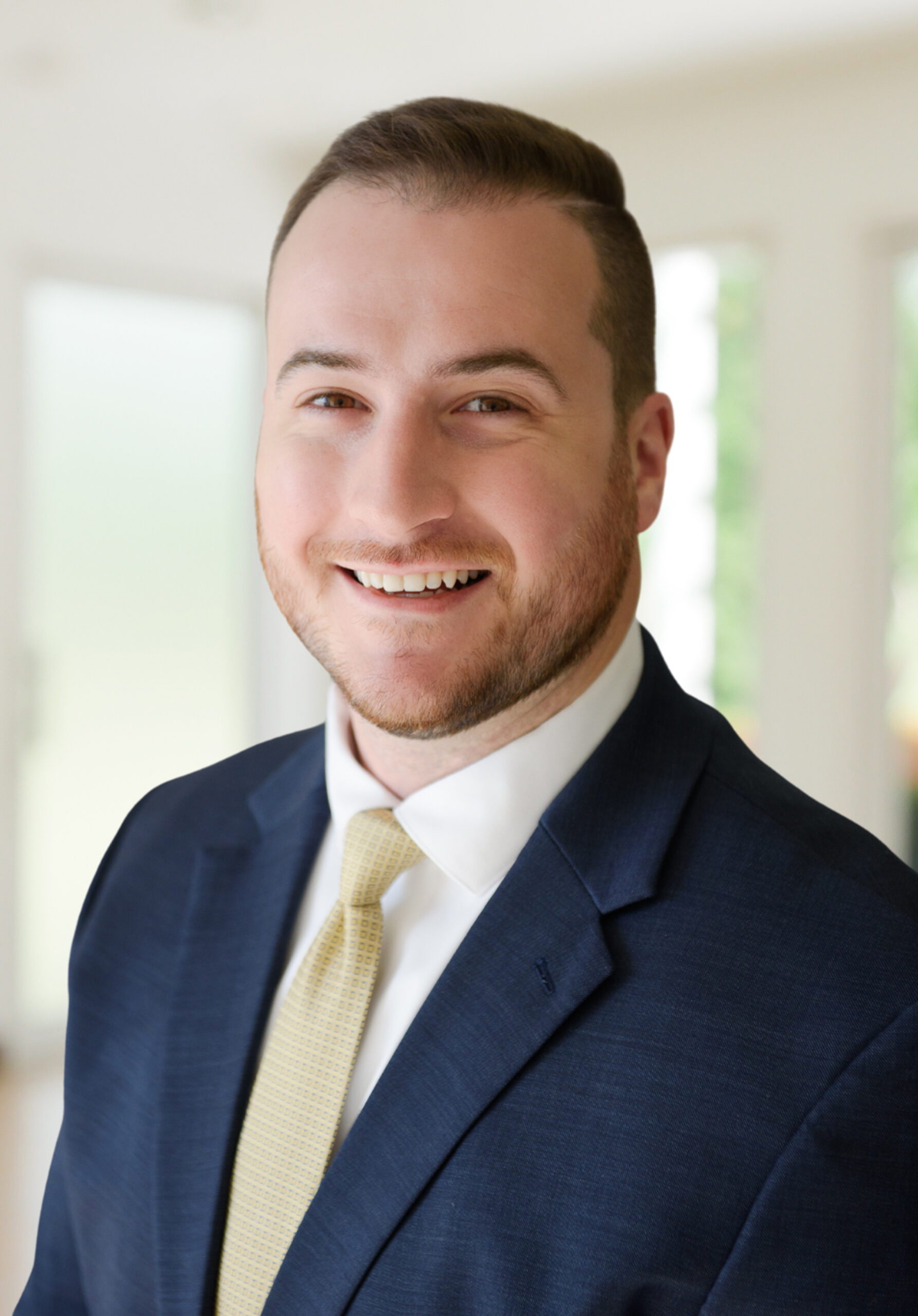
Gregory Holman, FPQP®, Senior Relationship Manager
As a Senior Relationship Manager and a Registered Administrative Assistant through Cetera Advisors LLC, Greg’s primary focus is on financial planning and forecasting for the firm and assisting the lead advisors to achieve retirement success for our clients. Greg has a strong passion for assisting clients in their financial affairs and is happy to be part of the InFocus Financial Advisors team. Greg has 8 years of finance experience ranging from Banking to Wealth Management and plans to stay in the business until the day he retires. Greg is a Financial Paraplanner Qualified Professional (FPQP®) and holds a bachelor’s degree in Economics from Rutgers University. Greg likes to stay active in his free time by going to the gym, hiking, or any other activity that can get him outside.
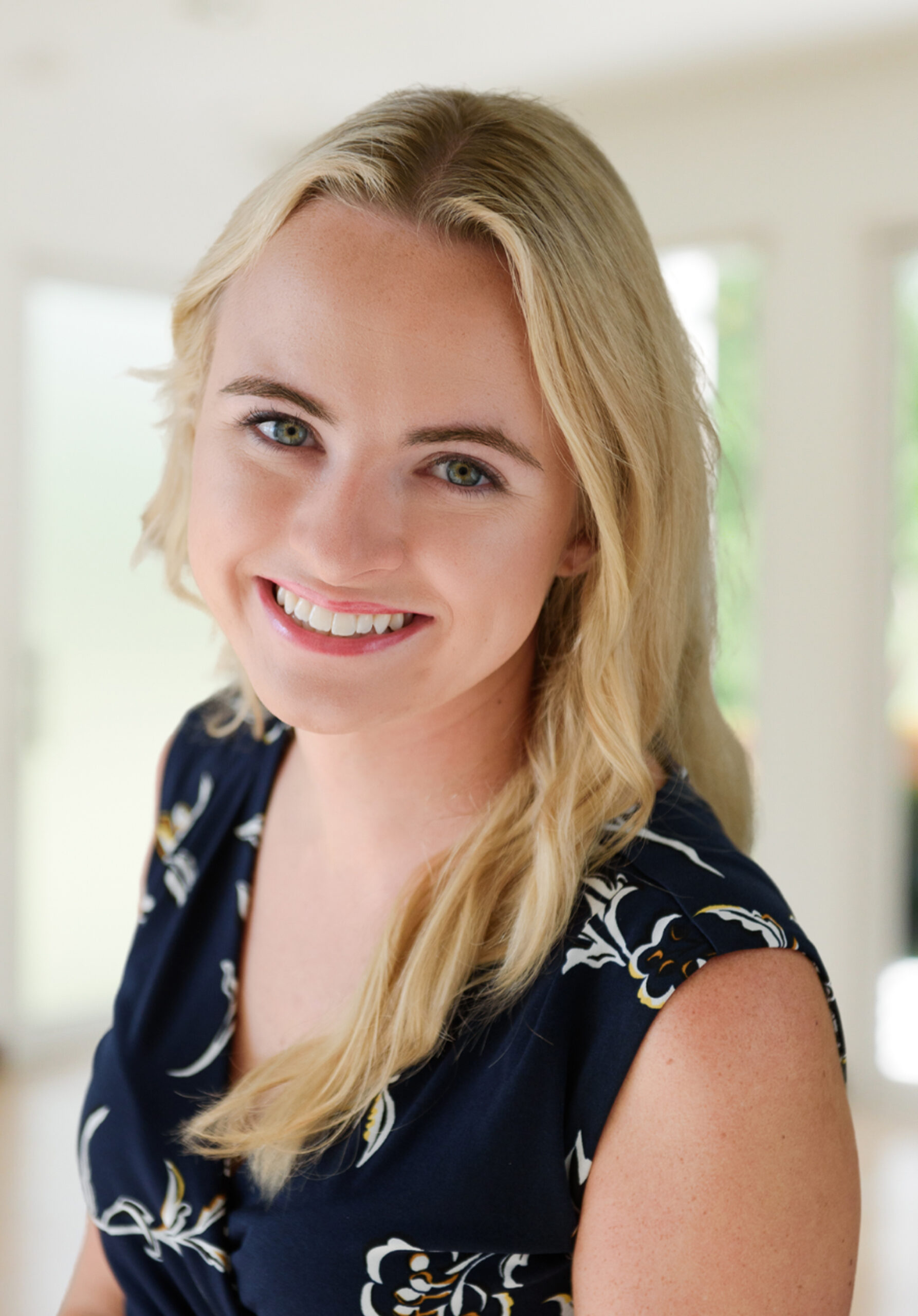
Lindsey Cohen, Operations Associate
Lindsey is an Operations Associate here at InFocus. Lindsey’s primary focus is supporting the InFocus team by conducting investment and economic research. Lindsey is a member of the Investment Committee, which meets on a weekly basis to discuss risks and opportunities in the market and economy. Lindsey graduated from Salisbury University with a B.S. in Finance on the Financial Planning track. During her time at SU, Lindsey created a curriculum for high school students about personal finance and budgeting, which she taught at Parkside High School. In her free time, Lindsey loves traveling to new places.
Frequently Asked Questions
Yes. We partner with Cetera Advisors, LLC who is an independent broker-dealer. That means we don’t offer proprietary products. We have access to a broad suite of investment options and products that we can select from to deliver solutions in the best interest of each and every one of our clients.
Not only can we refer you to other local professionals, we work in tandem with them to provide the best all around solutions for our clients. We pride ourselves on being part and leading local professional organizations to further team-based client solutions and our own knowledge base.
This is mostly up to you. Generally, in the first year there are typically more meetings as we get your initial planning completed and implemented. After the first year, we like to sit down with you 1-2 times a year for a full and in-depth financial review. Our team also provides regular market update webinars and regular communication so you will never miss something important happening in the market or around the office. We even throw in a few fun events and we’ll make sure that you don’t miss out.